I often organize my thoughts by writing, perhaps because of my communications and journalism background. I decided to use this space to share some of those random thoughts and ideas with you. I hope you enjoy it, and maybe we can all learn something new.

Your Team is Fine… or So You Think…
I hear it all the time.
I’m having a conversation about Teamwork with a CEO, a COO, or a CHRO, and I ask about their teams. Almost every time, I get a response along the lines of: “We have a really great team. People work hard here. We have no need for teamwork training.
In their mind, this is 100% true because they are telling me exactly what they see from where they sit.
The problem is where they sit.

The Case for Onsite Training
One of the most common conversations I have goes something like this. An organization knows its people could benefit from some development, so it picks one or two employees, sends them off to a conference or seminar, and hopes the lessons will somehow trickle back to everyone else. It is a well-intentioned approach, and I understand the thinking behind it. It is also one of the least effective ways to actually develop a team. Let me explain why, and what I would suggest instead.

Time and Stress Management: Two Sides of the Same Coin
Most people treat time management as a productivity issue and stress management as a personal wellness issue. In practice, they operate as a single system. When time is poorly managed, work piles up, priorities blur, and deadlines feel compressed. That loss of control creates pressure, and pressure gradually becomes stress. Workload and lack of structure are well‑documented drivers of workplace stress, especially when employees feel they cannot control how their time is used.

Struggling with Micromanagement? Make a Shift to Empowerment
There is a moment, and if you have been around long enough, I feel sure you have experienced it, when you look in the mirror and realize the thing standing in the way of team success has been you.
I think I fell into that trap as well for a while.
That moment stings. But it is also one of the most important moments in a leader's career, because what we do next will define us far more than the behavior that got us there.
The Silent Killer: When Leaders Fail to Communicate
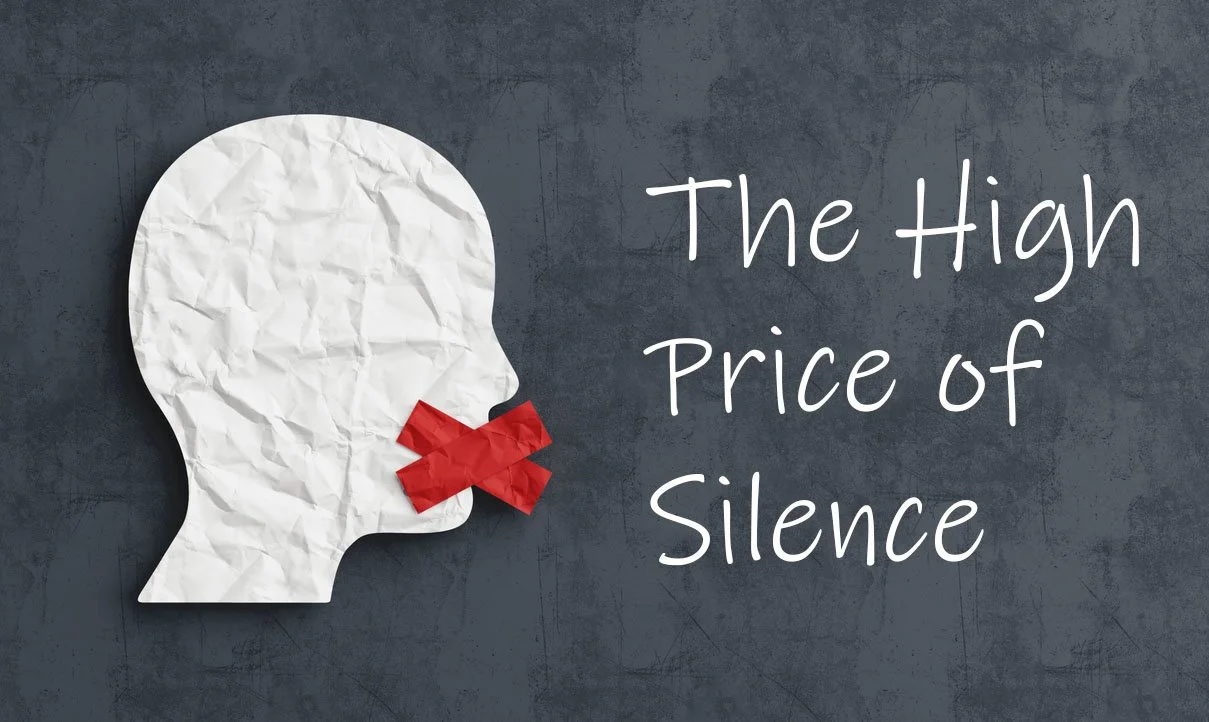
Poor communication is not a personality trait. It is not a minor annoyance that can be overlooked. When it exists at the leadership level, it can be a fatal flaw. A flaw that erodes trust, stifles performance, and ultimately destroys the culture a team needs to thrive.

Driving Change in the Workplace
“Because we have always done it that way.”
That phrase is my biggest pet peeve—and it has been for more than 30 years. Many of you who have worked with me have heard me lament it. I have heard it in boardrooms, breakrooms, training sessions, Teams meetings, and project discussions. Sometimes it is said casually, sometimes defensively, and sometimes with a tone that shuts the conversation down before it begins. Every time I hear it, the same thought crosses my mind: that mindset will cost you (or us). Maybe not today, but eventually.

One Bad Apple: How a Single Employee Can Poison Your Entire Organization
Every leader eventually feels it — that uneasy sense that something just isn't right. Productivity dips. Morale sags. Good employees pull you aside with quiet frustration. And when you finally peel back the layers, the source usually isn't a broken system or a bad policy. It's ONE PERSON.
The old phrase holds because the metaphor is accurate. A rotten apple doesn't politely rot on its own. It spreads — slowly at first, then aggressively — until someone steps in or the whole basket is lost.

AI’s Quiet but Powerful Shift in Utility Software Selection
Utility software selection has always meant mountains of vendor documents, endless spreadsheets, and months of painful analysis. But AI is quietly changing that—cutting billable hours by 30–50% without sacrificing rigor. Faster gap analysis, smarter RFP reviews, cleaner reports. This isn't hype or disruption—it's a practical shift already reshaping how utilities make their biggest technology decisions. Are you still doing it the old way?

Leadership: It is not about manipulation
In business, we need to be leaders who exhibit innovation, sound fiscal management, and vision to watch over the business, and we need to be shepherds who watch over the people in our charge. So, I want to offer up another word: guardian. Like a shepherd, a guardian protects those in their care, but beyond that, a guardian may assume responsibility for guidance, fiscal stability, and preservation. No matter which word you choose, manipulator should never be a part of the description or definition.

Why Utilities Need Expert Guidance When Choosing Enterprise Software
Public utilities live in a world where reliability isn’t optional. It’s the foundation of public trust, regulatory compliance, and operational stability. Every major system decision carries weight, but few choices shape the next decade of utility operations as profoundly as selecting new enterprise software. Whether the focus is customer information, asset management, financials, work management, or outage response, the stakes are high and the consequences long‑lasting.

Navigating Change with Confidence
Change has a way of showing up whether we’re ready for it or not. Sometimes it arrives with plenty of warning — a new software system, a shift in leadership, a reorganization that’s been whispered about for months. Other times it hits like a sudden gust of wind, knocking us off balance before we’ve even had a chance to brace ourselves.
But no matter how it arrives, one thing is certain: change is constant. And how we respond to it often determines whether we move forward with confidence or get stuck in frustration, fear, or resistance.

Workplace Dynamics - Making Emotional Support and Teamwork the Standard
Imagine a workplace where stress is managed with grace, disagreements spark productive debates, and challenges are met with unwavering resilience. This ideal environment is driven by emotional maturity—an essential trait that allows individuals to manage their emotions effectively, respond thoughtfully, and maintain professionalism even under pressure. In this blog post, we will explore the key characteristics of emotionally mature employees, the benefits they bring to the workplace, and practical strategies for engaging with colleagues who might still be on their journey to emotional maturity.

Reinvigorating Your Business - Bringing Energy, Excitement, and Effort Back to the Workforce
Let’s face it: in today's rapidly evolving business landscape, few things are as important – or as difficult – as maintaining a motivated and engaged workforce. A revitalized team not only enhances productivity but also drives innovation, creativity, resilience, and organizational commitment. The challenge is huge, but you can breathe new life into your team through a multifaceted approach prioritizing professional and personal well-being. Imagine the growth and success a team like this could bring to your organization.

The Role of Resilient Leadership in Crisis Management
A crisis can strike at any moment, turning stability into chaos. In these turbulent times, the true essence of leadership is revealed. Resilient leaders are the anchors, guiding their teams through uncertainty with unwavering strength and calm. They transform challenges into opportunities and setbacks into comebacks. Their ability to adapt, inspire, and maintain focus makes them a perfect leader. Resilient leadership isn't just about weathering the storm - it's about emerging stronger. Discover how resilient leaders navigate crises, build teams, and lead with courage and clarity.

People over Product: Understanding the People-Centric Nature of the Service Industry
In the service industry, the adage "people buy from people, not companies" is an undeniable truth. The essence of service lies not in the product itself but in the human interaction accompanying it. This human-centric (or people-centric) approach has deep historical roots and significant contemporary relevance, as demonstrated by the evolution of the service sector, particularly in the United States.

The Challenge of Great Communication in the Workplace
In today's workplace, effective communication is crucial for success. It is the backbone of a productive and harmonious environment where ideas thrive and objectives are achieved. Understanding the importance of communication and how to improve it can significantly impact your workplace.

Game-Changing Time Management Techniques for Your Remote Workers
If you need any additional help or information, RWSmith ETC, LLC is just an email away. RWSmith ETC offers a variety of soft-skill classes designed to empower your staff and build a better workforce.

The Need for an Active Shooter Response Plan and Training for Your Employees
Good utility consulting services company like RWSmith ETC can help train your employees to respond correctly in specific situations.
Your plan should further include a complete walkthrough with each of your employees in their workspace.

The Power of Self-Appreciation: Thanking Yourself in Customer Service
Customer service is a demanding battlefield. It requires unwavering patience, empathy for a kaleidoscope of personalities, and the mental agility to solve problems on the fly. This relentless cycle of addressing concerns, resolving issues, and maintaining a positive demeanor can be a recipe for burnout and chronic stress. While external recognition for a job well done is a welcome validation, it's not always guaranteed.

“If you’re not coaching it, you’re allowing it to happen.”
I am not sure to whom the quote “If you’re not coaching it, you’re allowing it to happen” should be attributed. Many attribute it to Red Auerbach of the NBA’s Boston Celtics. I have heard those words come from other more contemporary but still legendary coaches like Nick Saban and the late Mike Leach.
The quote is understandable for a sports team, but how does it apply to today’s business?